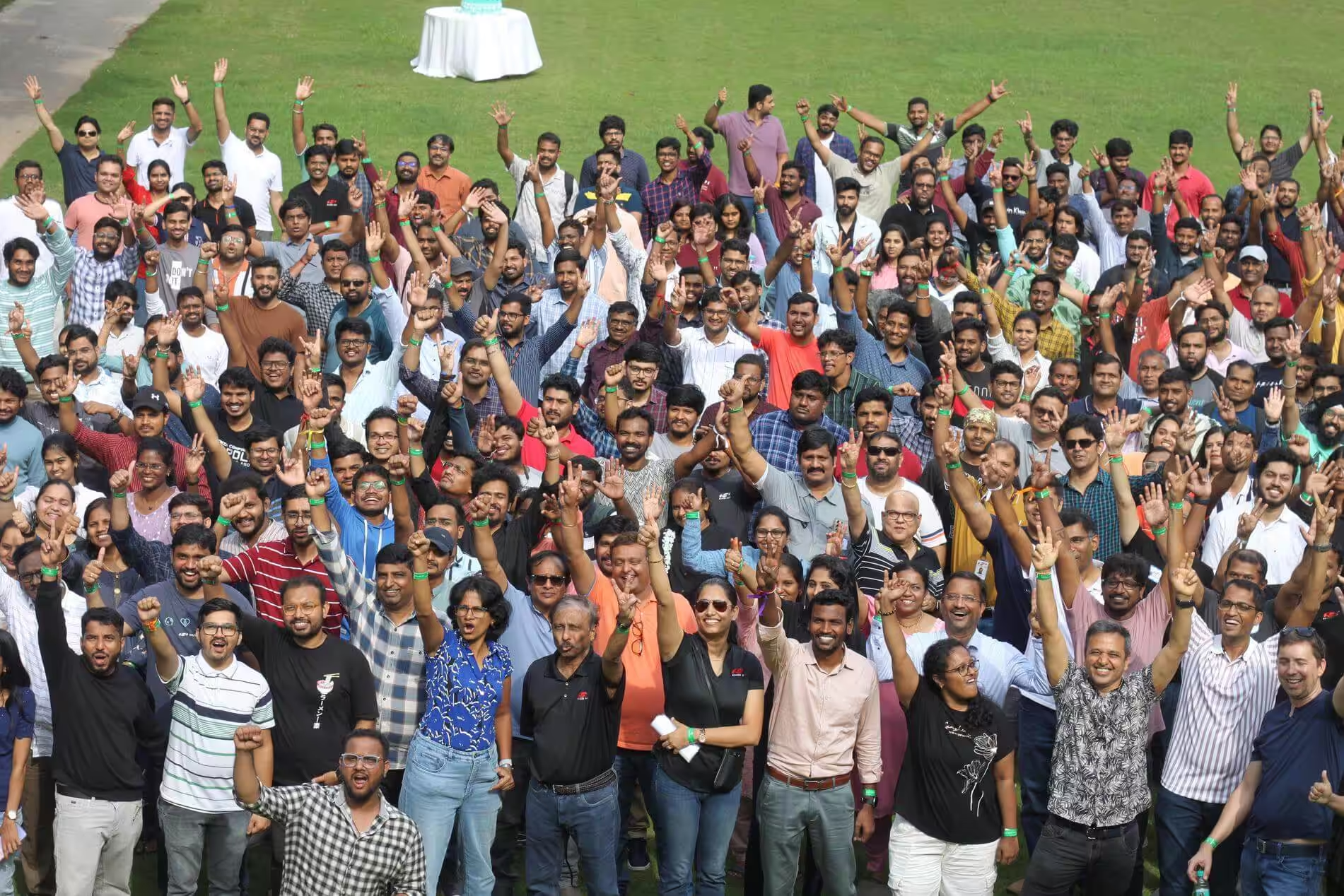
Many of the requests we get at Pepbox start with a situation, not an activity: a free hour on a Friday afternoon, say, or a townhall with 40 minutes to fill after lunch.
That’s the right way round. Once you know the occasion, you know roughly how much time you have and where people will be, and that rules out most ideas before you’ve looked at a single list.
So I’ve sorted this list by occasion. For each one you’ll find a few activities we run, with the time and group size from our activity pages, and the planning points that usually decide whether the day goes well. We’ve delivered more than 6,000 programmes since 2018, and these are the ideas I’d suggest if a friend in HR called me today.
An hour in the office
An hour in the office is the easiest slot to arrange, and the easiest one to get wrong. People are in office clothes, a few have a call at five, and nobody wants to go back to their desk sweating. So keep it short, keep the running around to a minimum, and use a space you already have: a training room, the cafeteria, or an open floor with the chairs pushed back.
Escape Room Series suits this well. It is a tabletop escape game: teams sit together, solve clues and crack codes against the clock, and it works for 10 to 1,500 people in 60 to 90 minutes. Get Set Know! is shorter, 25 to 30 minutes. People meet colleagues from other teams by scanning each other’s codes on their phones, and a live leaderboard keeps score. If your group is happy to move about, Ultimate Office Gamez mixes physical challenges and brain teasers for 10 to 300 people over 30 to 90 minutes.
-
 Escape Room Series (In Person)
A table, some puzzles and a ticking clock. Pepbox’s tabletop Escape Room Challenge has teams cracking codes together…
60 to 90 min 10 to 1,500 people
-
 Get Set Know!
Ping! You’ve just connected with twelve new colleagues and climbed to number three on the leaderboard.
25 to 30 min 20 to 500 people
-
 Ultimate Office Gamez
Calendar invite: The Ultimate Office Games. Location: your office.
30 to 90 min 10 to 300 people
A practical tip: send the slot as a calendar invite, not an optional mail. In my experience it’s attendance that lets a Friday session down, far more often than the activity itself. There are more ideas on our list of Fun Friday activities for the office.
Team outings and offsites
At an offsite you usually have a full afternoon and open ground, so you can plan something longer that gets people moving and talking to colleagues they don’t sit with. Our team outing and outbound programme lists cover this kind of day.
City Hustle: Amazing Race sends teams across a city with clues on their phones and tasks at landmarks along the way. Plan 2 to 4 hours for it. It suits 10 to 300 people. If you are at a resort and would rather not leave it, The Ultimate Hustle is a scavenger hunt around the venue that takes 60 to 90 minutes and works for up to 500 people. For a lawn and a mixed group, Desi Team Games brings back Kho-Kho, Lagori and Gilli-Danda. Most people remember these games from childhood, so they get going quickly.
-
 City Hustle: Amazing Race
Turn left at the chai stall. Solve the riddle. Snap a team selfie.
2 to 4 hours 10 to 150 people
-
 The Ultimate Hustle (Scavenger Hunt)
Crack location-based clues and conquer team challenges in The Ultimate Hustle, Pepbox’s own twist on the scavenger hunt.
60 to 90 min 10 to 500 people
-
 Desi Team Games
Kho-Kho, Lagori and Gilli-Danda are back! Desi Games is Pepbox’s nostalgic team building twist on traditional Indian…
30 to 90 min 25 to 150 people
Before you lock the agenda, look at the season. In summer, put outdoor games in the early morning or late afternoon, and keep drinking water and shade close by. In the monsoon, ask the venue for a covered hall and pick at least one activity that can move indoors.
Townhalls, conferences and annual days
Once you have a few hundred people in a hall, you can’t split them into neat teams of six without a lot of floor space and staff. What works at that size is something the whole room does together, often from their seats.
A Drum Circle handles this well. Everyone gets a djembe or a percussion instrument, a facilitator builds simple rhythms into one beat, and in 35 to 45 minutes the room is playing together. It works for 10 to 5,000 people. If there is no time to hand out instruments, Body Percussion uses only claps, taps, snaps and stamps and takes 20 to 25 minutes. Boombastic is a similar session played on Boomwhackers, colourful tuned tubes, for 50 to 2,500 people in 30 to 40 minutes.
-
 Body Percussion
Ever noticed you carry a full drum kit everywhere? Pepbox’s Body Percussion Experience turns claps, stomps and snaps…
20 to 25 min 50 to 5,000 people
-
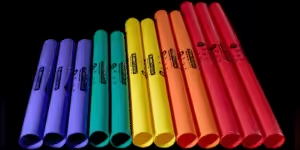 Boombastic
Do. Re. Mi. You hold one note, your colleague holds the next, and together you make real music.
30 to 40 min 50 to 2,500 people
At this size, plan the sound first. Confirm early who brings the microphones and speakers, and leave time in the agenda for handing out and collecting instruments. Our corporate drum circle page explains how we run these sessions, and the conferences and townhalls list has other formats that fit a packed agenda.
Family days and festival celebrations
When families come along, you have small children and grandparents in the same space. A mix works better than one big activity: something active for those who want to run around, and something seated that anyone can join.
Pep Olympics covers the active part. It is a run of back-to-back games built around your venue and group, for 10 to 1,500 people over 60 to 90 minutes. For the seated part, Harmonica gives everyone their own harmonica, teaches simple patterns step by step, and ends with the group playing together. It takes 25 to 30 minutes, and people take the harmonica home. For a festive occasion with room to dance, Letz Lezim is an energetic workshop based on Lezim, a folk dance from Maharashtra, played with jingling Lezim instruments.
-
 Pep Olympics
Pick a handful of fast-paced team challenges and dominate with your team's performance.
45 min to 2 hours 10 to 2,000 people
-
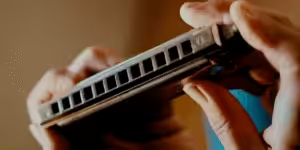 Harmonica
The workshop ends. The music doesn’t. In Pepbox’s Harmonica Workshop, your team learns to play in harmony, no…
25 to 30 min 30 to 1,000 people
-
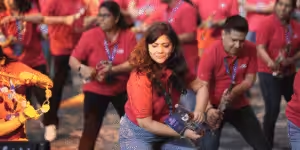 Letz Lezim
Chhan, chhan, chhan! That’s the sound of lezims, with your team making them ring in perfect sync.
25 to 35 min 30 to 1,000 people
At a Lezim workshop we ran in Navi Mumbai for 90 people, a brief sound problem interrupted the session. Our facilitator kept everyone engaged until it was fixed, and by the end the group was performing the routine together. A sound check before people walk in avoids that kind of pause. If food is part of the day, plan for vegetarian and Jain meals and any allergies as well. See family day activities and festival celebration activities for more.
CSR days
If the event is part of your CSR plans, choose an activity that ends with something you can give away. In Bicycle Building: Pedals of Joy, teams assemble bicycles from their parts, and the bicycles go to children who need them. School Kits works the same way with school supplies, and Wheels of Fortune with wheelchairs. The first two take groups of up to 1,000, and Wheels of Fortune takes up to 400. The CSR activities list has the other options.
-
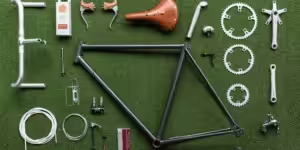 Bicycle Building: Pedals of Joy
Dear team, thank you for my bike. I’ll ride it to school every day.
60 to 90 min 10 to 1,000 people
-
 School Kits
Report card: teamwork, A+. Planning, A+. Kindness, off the charts.
60 to 90 min 10 to 1,000 people
-
 Wheels of Fortune
Some team wins are measured in points. This one is measured in real independence.
75 min to 2 hours 10 to 400 people
Sort out the receiving end first. Agree with the NGO or school how many items they can use and how they will be collected, and only then fix your numbers. Whether the cost counts towards your company’s CSR spend is a question for your CSR or finance team.
Training days and new teams
Some events come with a learning goal: a team that has just been put together, a batch of new managers, an induction week. Here the debrief, when the group talks about what happened and what it says about how they work, matters as much as the activity. Our outbound and learning page covers this kind of programme.
Activities with a clear task and limited material give the most to talk about afterwards. In Pyramid Building, teams plan and build a stable pyramid with a fixed set of materials, in 90 to 120 minutes, for 20 to 400 people. Rollercoaster Building asks each team to build a track that a ball can run along from start to finish. Perfect Squares takes only 15 to 20 minutes: teams of five each have to complete a square without speaking, and someone may have to give up a piece to help another player.
-
 Pyramid Building
No pharaoh ever built a pyramid alone. Neither will your team.
90 min to 2 hours 20 to 400 people
-
 Rollercoaster Building
You must be this collaborative to ride. Pepbox’s Rollercoaster Building has teams design, build and test a working…
60 to 100 min 10 to 200 people
-
 Perfect Squares
Rule one: make five identical squares. Rule two: no talking. Rule three: you can only give, never take.
15 to 20 min 10 to 200 people
At a workshop we ran in Vadodara for about 25 people, the real learning came in the discussion afterwards, when people linked what they had done in the activities to the way they work day to day. If learning is the goal, ask for a facilitated debrief and protect that time. It is the first thing to get cut when lunch runs late.
Remote and hybrid teams
For teams spread across cities, an online session is the simplest way to get everyone together. Our virtual activities run on Zoom, MS Teams, Google Meet or Webex, and each person needs a device with a stable connection.
In Virtual Escape Room Series, teams crack codes and solve puzzles together on a video call, for 60 to 90 minutes. Virtual Treasure Hunt is shorter, 45 to 60 minutes. It sends people around their homes to find objects, and family members can join in. Around the World is a geography game: teams study street scenes from cities around the world and pin their guess on a map.
-
 Virtual Escape Room Series
Next episode starts in five, four, three… Pepbox’s Virtual Escape Room Series gives remote teams a brand-new storyline…
60 to 90 min 10 to 500 people
-
 Virtual Treasure Hunt
I have hands but cannot clap. What am I? Grab it and upload it fast!
45 to 60 min 20 to 300 people
-
 Around the World
Boarding pass: destination, everywhere. Fuel: your own footsteps.
50 to 70 min 10 to 300 people
Ask everyone to open the link and test their audio a day before. Otherwise the first ten minutes go to people asking whether they can be heard. More ideas are on our virtual team building list.
Combining formats in a half day
If you have half a day, you don’t have to choose one format. At an engagement day in Khopoli for about 110 people, we started with team challenges, then ran a Lezim workshop and finished with a drum circle. The challenges got people solving problems together, and the music gave the whole group a shared sense of taking part.
It’s an order I’d use for most half days: small teams while the energy is high, then something the whole group does together to finish.
All the ideas at a glance
| Occasion | Time each activity takes | Group size | Ideas to start with |
|---|---|---|---|
| An hour in the office | 15 to 90 min | 10 to 1,500 | Escape Room Series, Get Set Know!, Ultimate Office Gamez |
| Outing or offsite | 30 min to 4 hours | 10 to 1,000 | City Hustle: Amazing Race, The Ultimate Hustle, Desi Team Games |
| Townhall, conference or annual day | 20 to 45 min | 10 to 5,000 | Drum Circle, Body Percussion, Boombastic |
| Family day or festival | 25 to 90 min | 10 to 1,500 | Pep Olympics, Harmonica, Letz Lezim |
| CSR day | 60 to 120 min | 10 to 1,000 | Bicycle Building, School Kits, Wheels of Fortune |
| Training day or new team | 15 to 120 min, plus a debrief | 10 to 300 | Pyramid Building, Rollercoaster Building, Perfect Squares |
| Remote or hybrid team | 30 to 90 min | 10 to 500 | Virtual Escape Room Series, Virtual Treasure Hunt, Around the World |
Before you book: five questions
- What is the one thing you want from the day? People meeting each other, a break, a lesson or something given back. Choose the main one.
- How many people will really come? Plan for the number you expect, not the invite list.
- How much time is there in the agenda, including getting people into the room and out again?
- What space do you have, and is there a covered option if it rains?
- Who is in the group? With mixed ages, limited mobility or pregnant colleagues, choose a low-intensity activity or one where teams can split the roles, and tell the facilitator before the day.
If you are still deciding, send us the date, the headcount and the venue, and we’ll suggest activities that fit, with timings. You can also browse all our activities and filter them by setting, group size and duration.